How Local Regulations Affect Trucking Operations in the U.S.


Introduction to Local Regulations in Trucking
The trucking industry in the U.S. is a cornerstone of the economy, responsible for transporting goods across vast distances. However, one of the significant challenges faced by trucking companies is navigating the complex landscape of local regulations. These regulations can vary significantly from one state to another, impacting everything from operational costs to delivery schedules.
Understanding and complying with these local regulations is essential for trucking companies to operate smoothly and efficiently. Failure to do so can result in fines, delays, and a tarnished reputation. In this blog post, we'll explore how local regulations affect trucking operations and what companies can do to stay compliant.
Weight and Size Restrictions
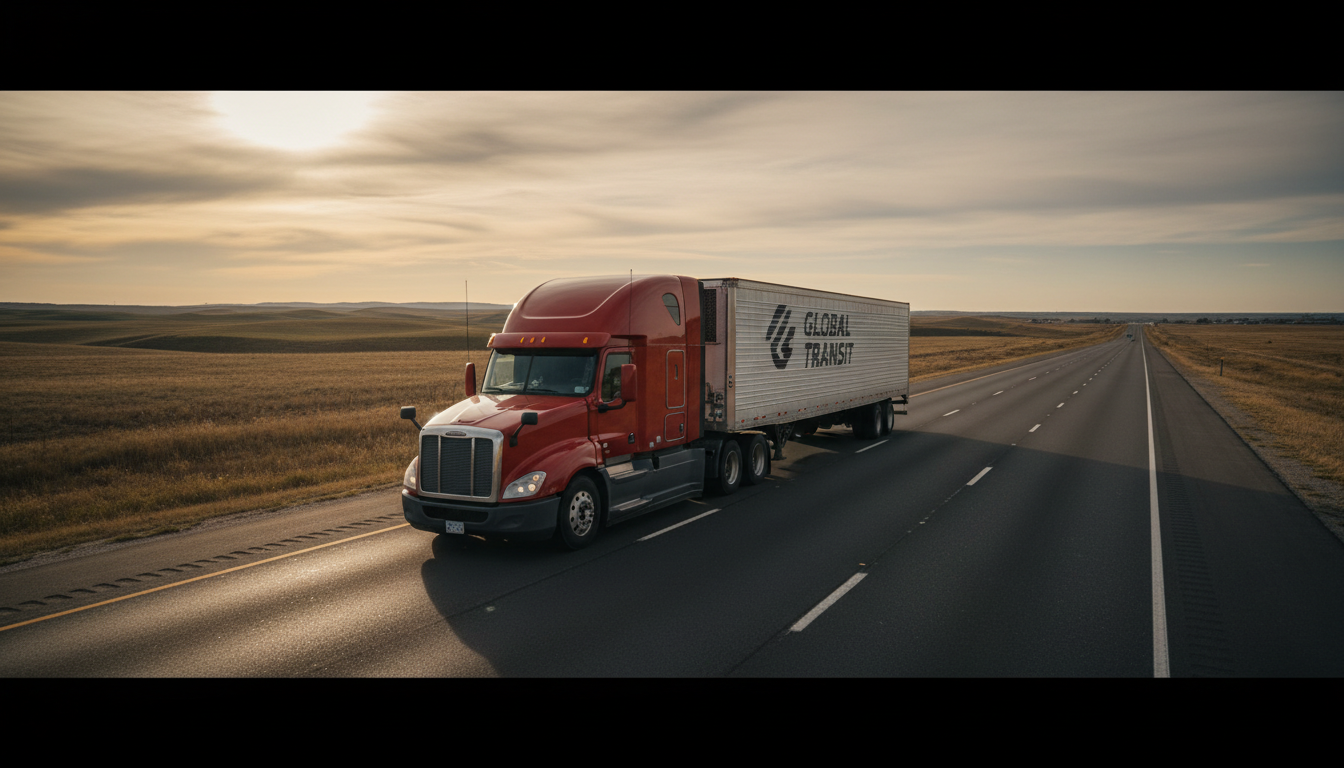
One of the most critical aspects of local trucking regulations involves weight and size restrictions. Each state may have different limits on the weight and dimensions of trucks allowed on their roads. These restrictions are in place to protect infrastructure and ensure safety. Trucking companies must be diligent in understanding these limits to avoid hefty fines and potential damage to their vehicles.
For instance, certain bridges and roads may have lower weight limits, necessitating alternative routes. Additionally, oversized loads may require special permits, which can add time and cost to a delivery.
Impact on Route Planning
Weight and size restrictions significantly impact route planning. Companies must plan routes that comply with local regulations, which may not always be the most direct or cost-effective paths. This complexity requires advanced planning and sometimes sophisticated routing software to ensure compliance while maintaining efficiency.

Environmental Regulations
Environmental regulations also play a crucial role in shaping trucking operations. Many states have implemented strict emissions standards to reduce pollution, which can affect the types of vehicles a company can deploy. For example, California is known for its stringent emissions regulations, requiring trucks to meet specific standards to operate within the state.
These regulations often necessitate upgrading or retrofitting older vehicles, which can be a significant investment. Additionally, there may be restrictions on idling times, which can influence driver behavior and operational practices.
Adopting Green Technologies
To comply with environmental regulations, many trucking companies are turning to green technologies. This includes investing in fuel-efficient vehicles, adopting alternative fuels, and implementing telematics systems to monitor emissions. These initiatives not only help companies stay compliant but also contribute to a reduction in operational costs over time.
Safety and Licensing Requirements
Safety regulations are another crucial aspect of local trucking laws. These regulations cover a wide range of areas, including vehicle maintenance, driver qualifications, and hours of service. Adhering to these regulations is vital to ensure the safety of both drivers and the general public.
States may have specific requirements for commercial driver’s licenses (CDLs), including additional endorsements needed for transporting hazardous materials or oversized loads. Trucking companies must ensure their drivers are properly licensed and trained to meet these local requirements.
Maintaining Compliance
Maintaining compliance with safety and licensing regulations requires ongoing attention and investment. Companies often implement regular training programs, conduct routine vehicle inspections, and utilize compliance management systems to stay on top of regulatory changes.

Conclusion
Local regulations have a profound impact on trucking operations in the U.S. By understanding and adhering to these diverse regulations, trucking companies can avoid legal issues, reduce operational costs, and enhance their reputation. Success in the trucking industry requires not only logistical expertise but also a commitment to compliance and sustainability.
As regulations continue to evolve, staying informed and adaptable will be key to thriving in the competitive world of trucking.