Preparing for Seasonal Challenges in Trucking


Understanding Seasonal Challenges in Trucking
The trucking industry faces a variety of seasonal challenges throughout the year, impacting operations and profitability. Preparing for these changes is crucial to maintain efficiency and safety. From weather variations to fluctuating demand, being proactive can make a significant difference.
Weather-Related Obstacles
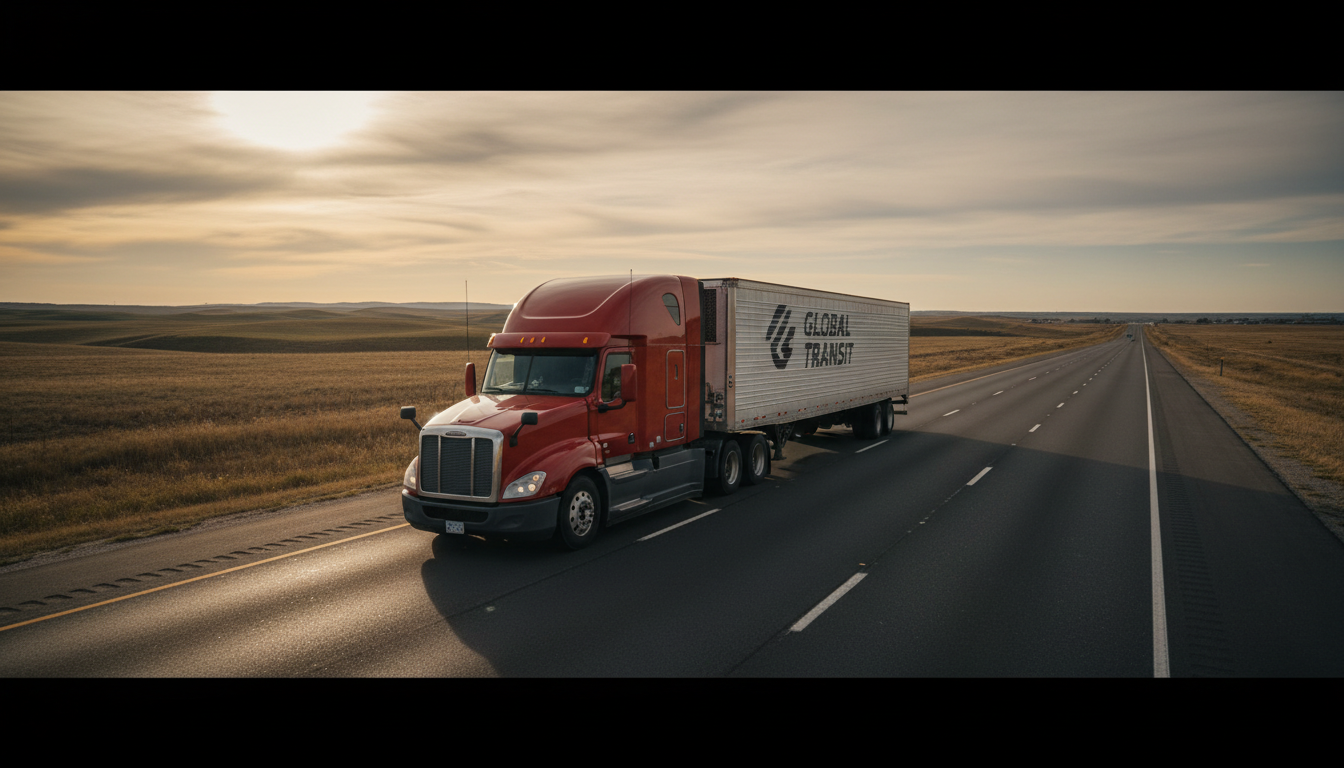
Adverse weather conditions such as snow, ice, and heavy rain can pose significant risks to truck drivers. These conditions not only slow down transit times but also increase the likelihood of accidents. Ensuring that trucks are equipped with the right tires and that drivers are trained for inclement weather is essential.
Regular maintenance checks become even more critical during these months. Key components like brakes, lights, and windshield wipers should be inspected frequently to ensure they are in optimal condition.
Fluctuating Demand
Seasons can greatly influence the demand for trucking services. For instance, the holiday season typically sees a surge in shipping needs, while other times of the year may experience a lull. Being prepared to scale operations up or down is vital.
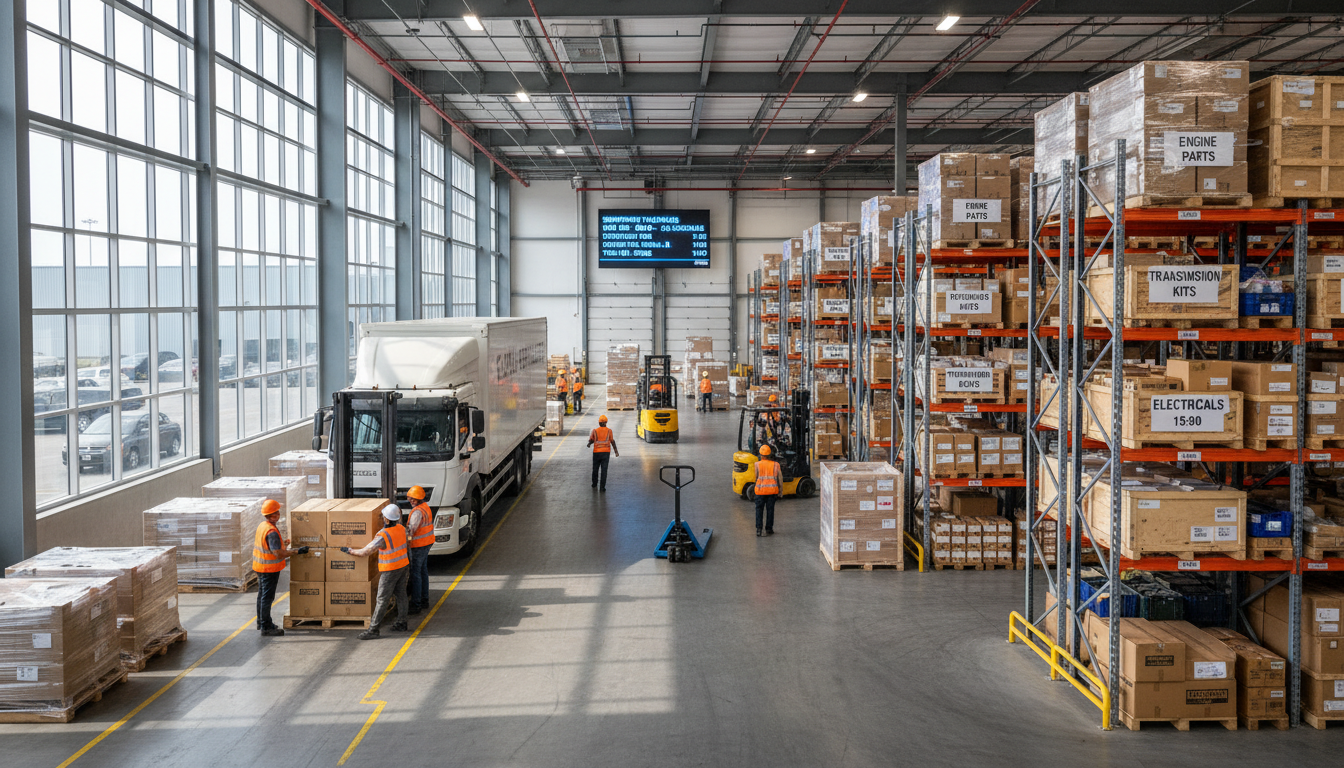
Engaging with reliable logistics partners and leveraging technology for inventory management can help in navigating these fluctuations efficiently. This proactive approach allows for better resource allocation and cost management.
Regulatory Considerations
Different seasons may bring about specific regulatory challenges. For example, during harvest seasons, agricultural regulations might affect trucking schedules and routes. Staying informed about these regulations ensures compliance and avoids potential fines.
It's advisable to regularly consult with industry associations and regulatory bodies to stay updated on any changes that may impact your operations.
Ensuring Driver Safety
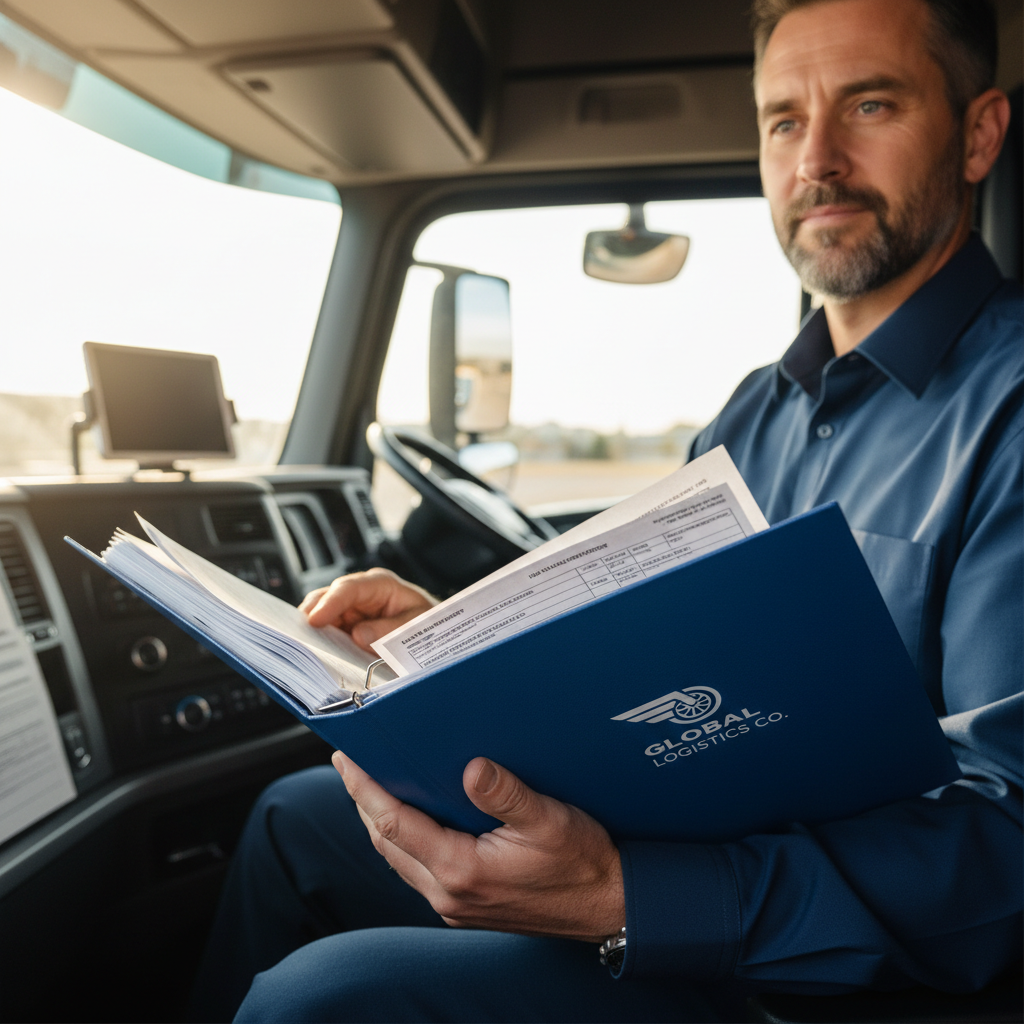
Driver safety should always be a priority, especially during challenging seasons. Providing ongoing training and resources to handle different driving conditions is key. Additionally, ensuring drivers have adequate rest periods can prevent fatigue-related incidents.
Implementing telematics systems can also help monitor driver behavior and vehicle performance, allowing for real-time adjustments and support.
Adapting to Technological Advancements
Technology plays a crucial role in overcoming seasonal challenges. Utilizing GPS and route optimization software can enhance efficiency and reduce delays caused by unexpected weather changes or road conditions.
- Invest in advanced fleet management systems.
- Utilize real-time tracking and reporting.
- Incorporate automated alerts for weather or traffic disruptions.
By adopting these technologies, trucking companies can improve their resilience against seasonal disruptions and maintain a competitive edge.
Preparing for seasonal challenges in trucking requires a comprehensive and proactive approach. By focusing on equipment readiness, demand forecasting, regulatory compliance, driver safety, and technological integration, companies can navigate these challenges effectively and optimize their operations year-round.