The Ultimate Guide to Efficient Trucking Logistics


Trucking logistics is the backbone of the supply chain industry, ensuring that goods are transported efficiently across vast distances. Understanding the nuances of this field can significantly enhance operational efficiency and reduce costs.
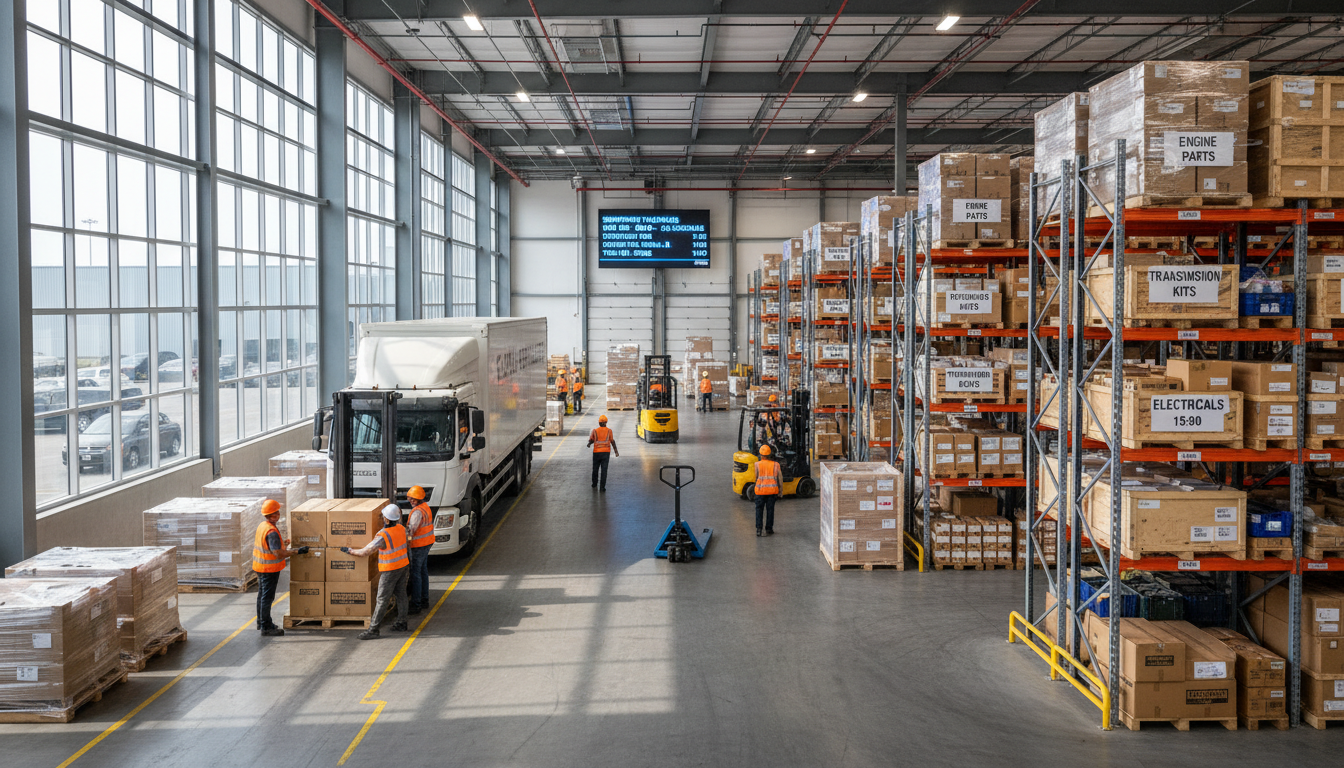
Understanding Trucking Logistics
At its core, trucking logistics involves managing the flow of goods from the point of origin to the destination. This includes coordinating routes, managing fleets, and ensuring timely deliveries. With the right strategy, logistics can transform into a competitive advantage.
Route Optimization
One of the most effective ways to improve efficiency is through route optimization. By utilizing advanced software, companies can determine the best routes, reducing fuel consumption and delivery times. This not only saves money but also minimizes environmental impact.

Fleet Management
Effective fleet management is crucial for any trucking company. This involves regular vehicle maintenance, tracking fuel usage, and monitoring driver performance. Implementing telematics can provide real-time data, allowing for proactive decision-making.
Embracing Technology
Technology plays a pivotal role in modern trucking logistics. From GPS tracking systems to automated dispatching, embracing the latest technological advancements can streamline operations and enhance communication.
Data-Driven Decisions
Incorporating data analytics into logistics allows companies to make informed decisions. By analyzing patterns and trends, businesses can predict demand, optimize inventory, and improve service levels.

Regulations and Compliance
Staying compliant with industry regulations is essential. This includes adherence to safety standards, environmental regulations, and labor laws. Regular training and updates can ensure that your operations remain compliant and avoid costly penalties.
Driver Safety and Training
Investing in driver safety and training is not just a regulatory requirement but also a strategic advantage. Well-trained drivers are more efficient, safer, and can contribute to a positive company reputation.
- Conduct regular training sessions.
- Implement a safety-first culture.
- Utilize technology for safety monitoring.
In conclusion, efficient trucking logistics require a combination of strategic planning, technological integration, and continuous improvement. By focusing on these key areas, companies can enhance their operational efficiency and achieve long-term success.