The Ultimate Guide to Efficient Trucking Logistics


Understanding the Basics of Trucking Logistics
Trucking logistics involves the strategic planning and management of the transportation of goods using trucks. It includes various processes such as route planning, load optimization, and timely delivery. An efficient logistics system not only enhances productivity but also reduces operational costs.
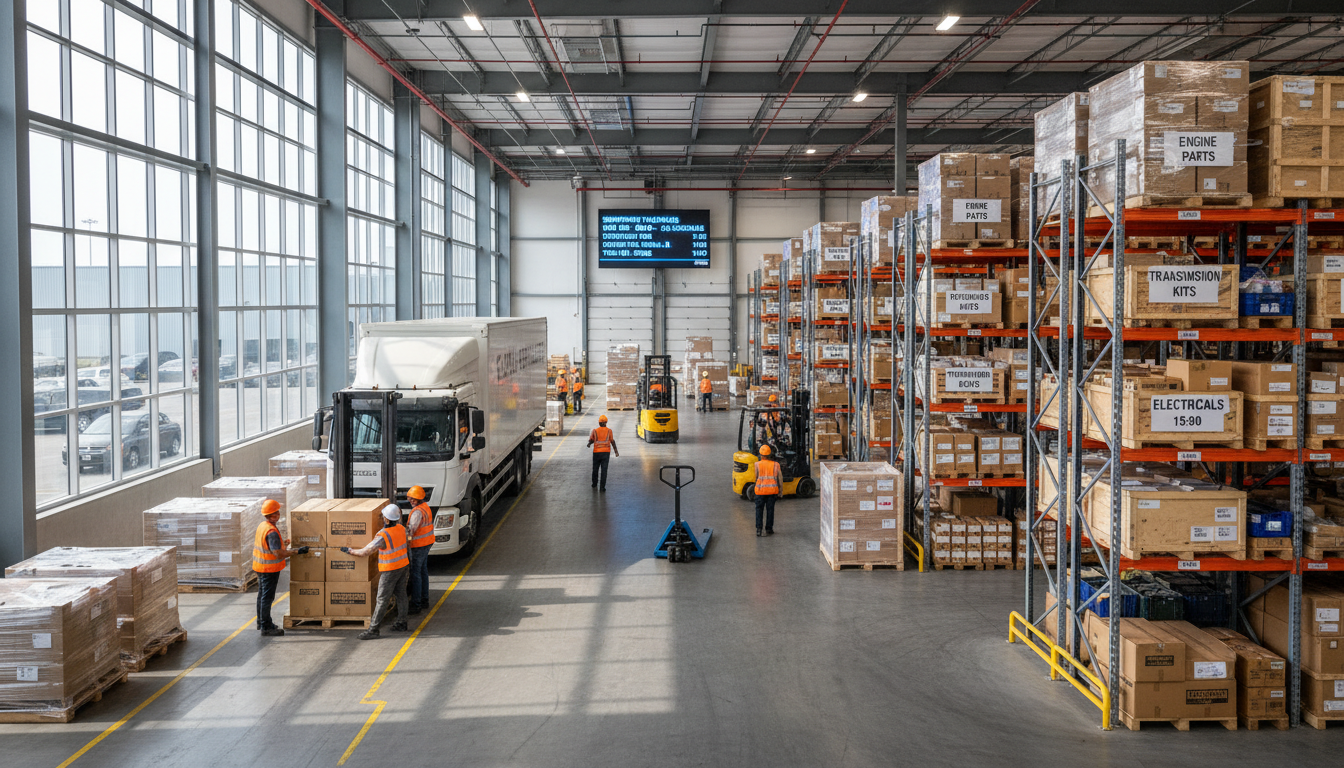
To start, it's crucial to have a clear understanding of the supply chain and how trucking fits within it. This involves analyzing the flow of goods, identifying potential bottlenecks, and finding solutions to streamline operations. By doing so, companies can ensure the smooth movement of products from origin to destination.
Optimizing Route Planning
Effective route planning is at the heart of efficient trucking logistics. By utilizing advanced GPS technology and route optimization software, companies can determine the best paths to take. This not only shortens delivery times but also minimizes fuel consumption.
Key factors to consider in route planning include traffic patterns, road conditions, and weather forecasts. By staying informed about these variables, trucking companies can adjust routes in real time to avoid delays and ensure timely delivery.

Load Optimization Techniques
Load optimization is another critical aspect of trucking logistics. Properly loading trucks ensures that space is used efficiently, reducing the number of trips required. This not only cuts costs but also decreases the environmental impact of transportation activities.
Some effective techniques for load optimization include:
- Using load planning software to maximize space usage.
- Implementing standardized packing procedures.
- Training staff on efficient loading techniques.

Leveraging Technology for Better Efficiency
Incorporating technology into trucking logistics can significantly improve efficiency. From telematics systems for tracking trucks to automated scheduling software, the right tools can make a substantial difference.
Investing in technology not only boosts productivity but also enhances communication across the supply chain. This ensures that all stakeholders are informed and can respond swiftly to any issues that arise.
Ensuring Compliance and Safety
Compliance with regulations and ensuring the safety of drivers and cargo are paramount in trucking logistics. Companies must stay up-to-date with industry regulations and implement safety measures to protect their workforce and goods.
Regular maintenance of vehicles, driver training programs, and adherence to safety protocols are essential components of a robust logistics strategy. By prioritizing safety, companies can avoid costly fines and accidents.

Improving Customer Satisfaction
Ultimately, efficient trucking logistics leads to improved customer satisfaction. By delivering goods on time and in excellent condition, companies build trust and foster long-term relationships with clients.
Maintaining open lines of communication with customers and providing real-time updates on deliveries can further enhance the customer experience. By focusing on the needs of their clients, trucking companies can gain a competitive edge in the market.