Top 5 Trends in the Trucking Industry You Need to Know


Introduction to Trucking Industry Trends
The trucking industry is the backbone of global commerce, responsible for transporting goods across vast distances. As we move further into the digital age, this industry is undergoing significant transformations. Here are the top five trends shaping the future of trucking that you need to know.
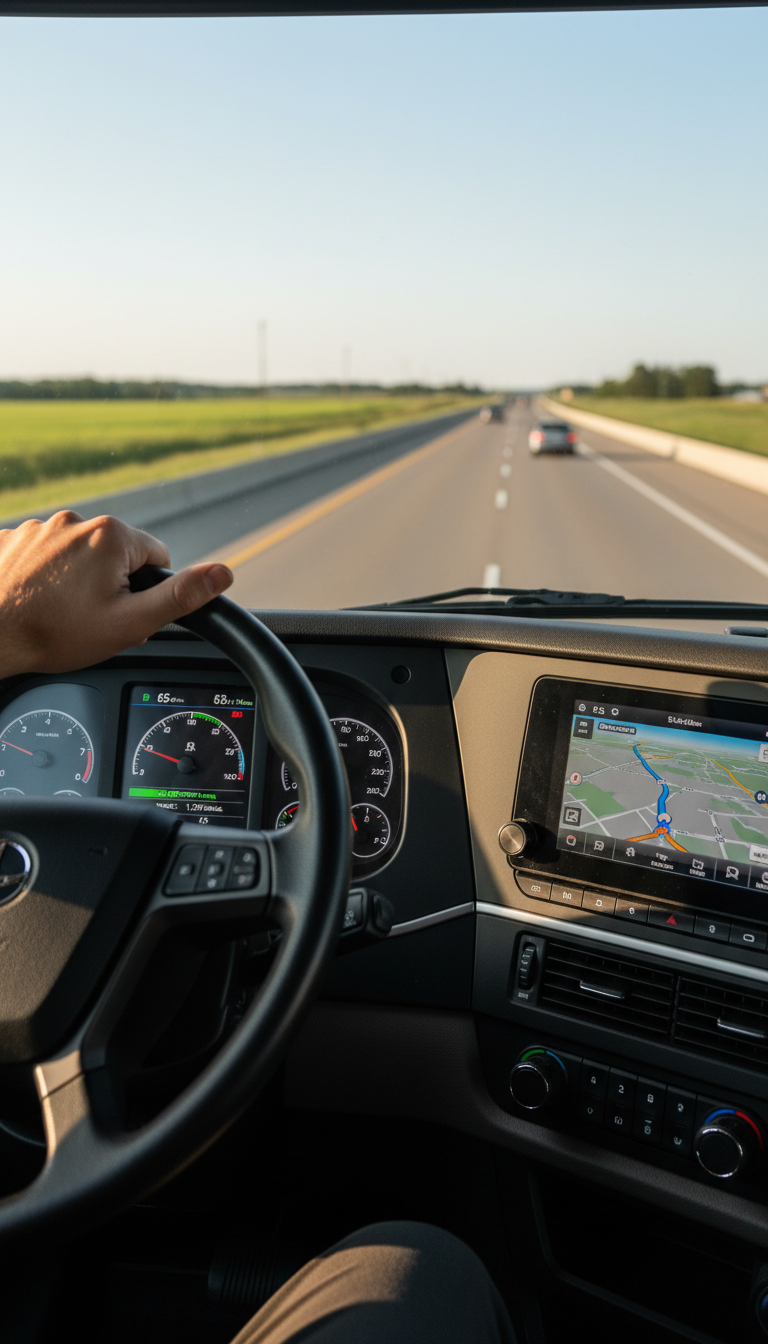
1. Automation and Autonomous Trucks
Automation is rapidly transforming the trucking industry. Autonomous trucks, equipped with cutting-edge technology, are gradually becoming a reality. These trucks promise to increase efficiency and safety by reducing human error. Companies are investing heavily in developing reliable self-driving vehicles, which could revolutionize logistics and delivery services.
Impact on the Workforce
While automation offers numerous benefits, it also raises concerns about job displacement for truck drivers. However, new roles are emerging in technology and maintenance, offering opportunities for reskilling and adaptation.
2. Green Technology and Sustainability
Environmental concerns are pushing the trucking industry to adopt more sustainable practices. Electric and hybrid trucks are gaining popularity, reducing carbon emissions and fuel costs. Innovations in battery technology and charging infrastructure are making these vehicles more viable for long-haul journeys.

Government Regulations
Governments worldwide are implementing stricter emissions regulations, encouraging companies to invest in cleaner technologies. This shift not only benefits the environment but also enhances brand reputation and customer trust.
3. Digital Platforms and Connectivity
The integration of digital platforms is streamlining operations across the trucking industry. Real-time tracking, route optimization, and predictive maintenance are becoming standard, thanks to advancements in IoT and cloud computing. These technologies enhance efficiency, reduce downtime, and improve customer satisfaction.
Data-Driven Decision Making
Access to real-time data allows companies to make informed decisions, optimizing routes and managing fleets more effectively. This data-driven approach leads to cost savings and improved service delivery.
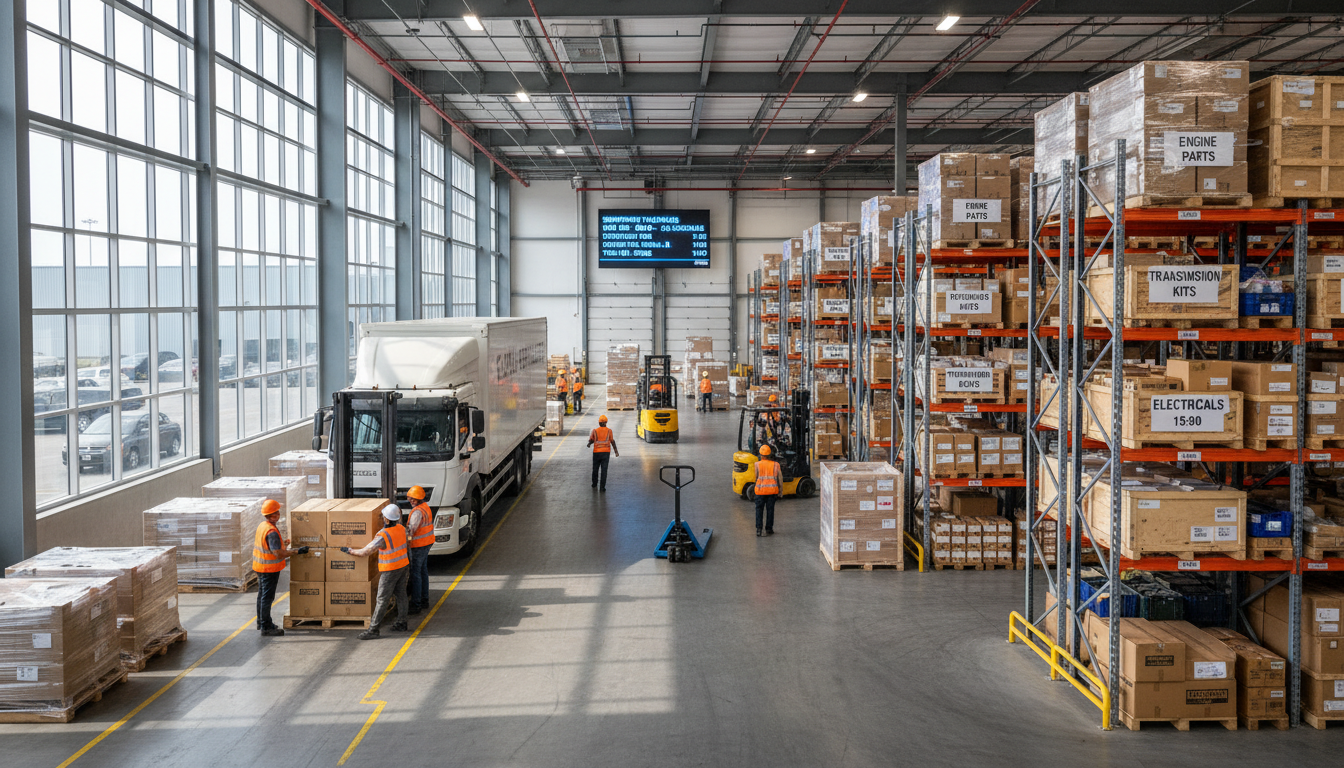
4. Enhanced Safety Measures
Safety remains a top priority in the trucking industry. Advanced safety features, such as collision avoidance systems and lane-keeping assist, are being integrated into modern trucks. These technologies help prevent accidents and ensure the well-being of drivers and other road users.
Driver Training and Support
In addition to technology, comprehensive training programs are being developed to equip drivers with the skills needed to operate these advanced vehicles safely. Continuous support and education are vital to maintaining high safety standards.
5. E-commerce and Last-Mile Delivery
The rise of e-commerce has significantly impacted the trucking industry, increasing the demand for efficient last-mile delivery solutions. Companies are exploring innovative strategies, such as micro-distribution centers and drone deliveries, to meet consumer expectations for fast and reliable service.
Adapting to Consumer Expectations
As consumer expectations continue to evolve, trucking companies must adapt to remain competitive. Embracing technology and enhancing delivery infrastructure are crucial steps in meeting the demands of the modern market.

Conclusion
The trucking industry is at a pivotal point of transformation, driven by technology and sustainability. By staying informed about these trends, businesses can position themselves for success in an ever-evolving landscape. Embracing change and innovation will be key to thriving in the future of trucking.