Understanding Logistics: How Does Trucking Work?


Introduction to Trucking Logistics
Trucking logistics plays a crucial role in the transportation industry, acting as the backbone of supply chains worldwide. Understanding how trucking works provides insight into the intricate processes that ensure goods are delivered efficiently from one point to another. Whether you're a business owner, logistics professional, or simply curious about the industry, an overview of trucking logistics can be enlightening.

The Role of Trucking in Supply Chains
Trucking is an essential component of supply chains, facilitating the movement of goods across vast distances. It serves as a bridge between manufacturers, distributors, and consumers. The flexibility and adaptability of trucking make it a preferred mode of transportation, especially for short to medium hauls. Trucks can reach areas that other modes of transport cannot, ensuring last-mile delivery to even the most remote locations.
Supply chains rely heavily on trucking due to its capacity to handle a diverse range of goods. From perishable food items to complex machinery, trucks are equipped to transport various types of cargo safely and efficiently. This adaptability is a key reason trucking remains a dominant force in logistics.
Types of Trucking Services
Trucking services can be broadly categorized into several types based on the nature and scale of operations. Full Truckload (FTL) services involve transporting large quantities of goods from one location to another in a single shipment. In contrast, Less Than Truckload (LTL) services are used when shipments do not require a full truckload, allowing multiple shipments from different clients to share space.
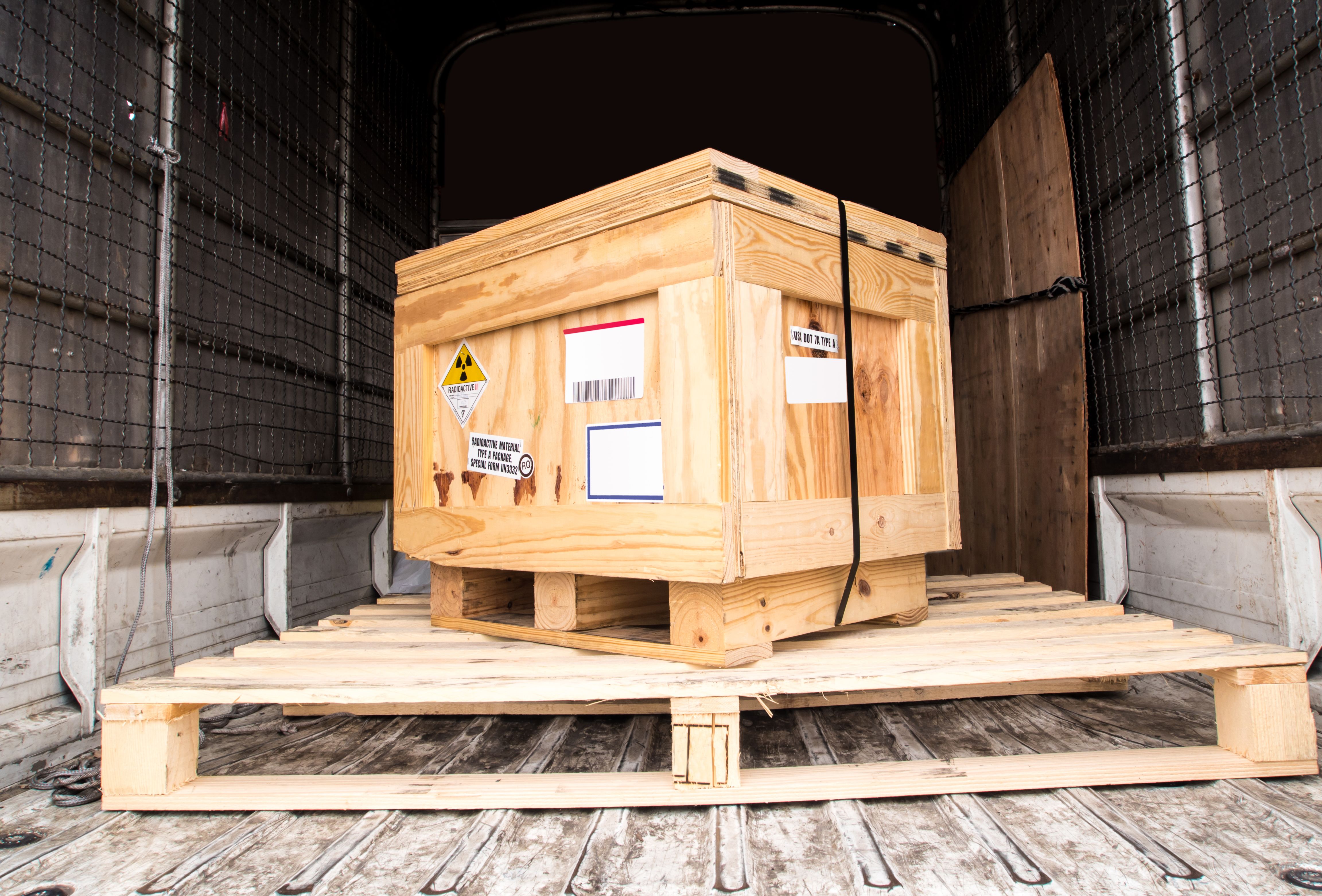
Another important category is specialized trucking, which handles goods requiring specific conditions during transit, such as temperature-controlled environments for perishables or hazardous materials that need special handling.
Key Challenges in Trucking Logistics
Despite its advantages, the trucking industry faces several challenges that can impact efficiency and profitability. Rising fuel costs remain a significant concern, affecting operational expenses and pricing strategies. Additionally, regulatory compliance, including hours-of-service regulations and safety standards, requires constant attention from trucking companies.
The shortage of qualified truck drivers is another pressing issue. The industry faces high turnover rates, and recruiting and retaining skilled drivers has become increasingly difficult. This shortage can lead to delays and increased costs as companies strive to maintain service levels.

Technology's Impact on Trucking
Advancements in technology have revolutionized trucking logistics, enhancing efficiency and transparency. Fleet management systems equipped with GPS tracking allow companies to monitor vehicle locations in real-time, optimizing routes and reducing fuel consumption. Moreover, electronic logging devices (ELDs) have improved compliance with regulations by automating the recording of drivers' hours.
Data analytics plays a crucial role in predicting demand patterns and optimizing inventory levels, further streamlining operations. The integration of technology into trucking logistics continues to evolve, promising even greater efficiency in the future.
The Future of Trucking Logistics
The trucking industry is poised for transformative changes driven by innovations such as autonomous vehicles and electric trucks. These advancements have the potential to address some of the current challenges by reducing labor costs and environmental impact while improving safety and efficiency.
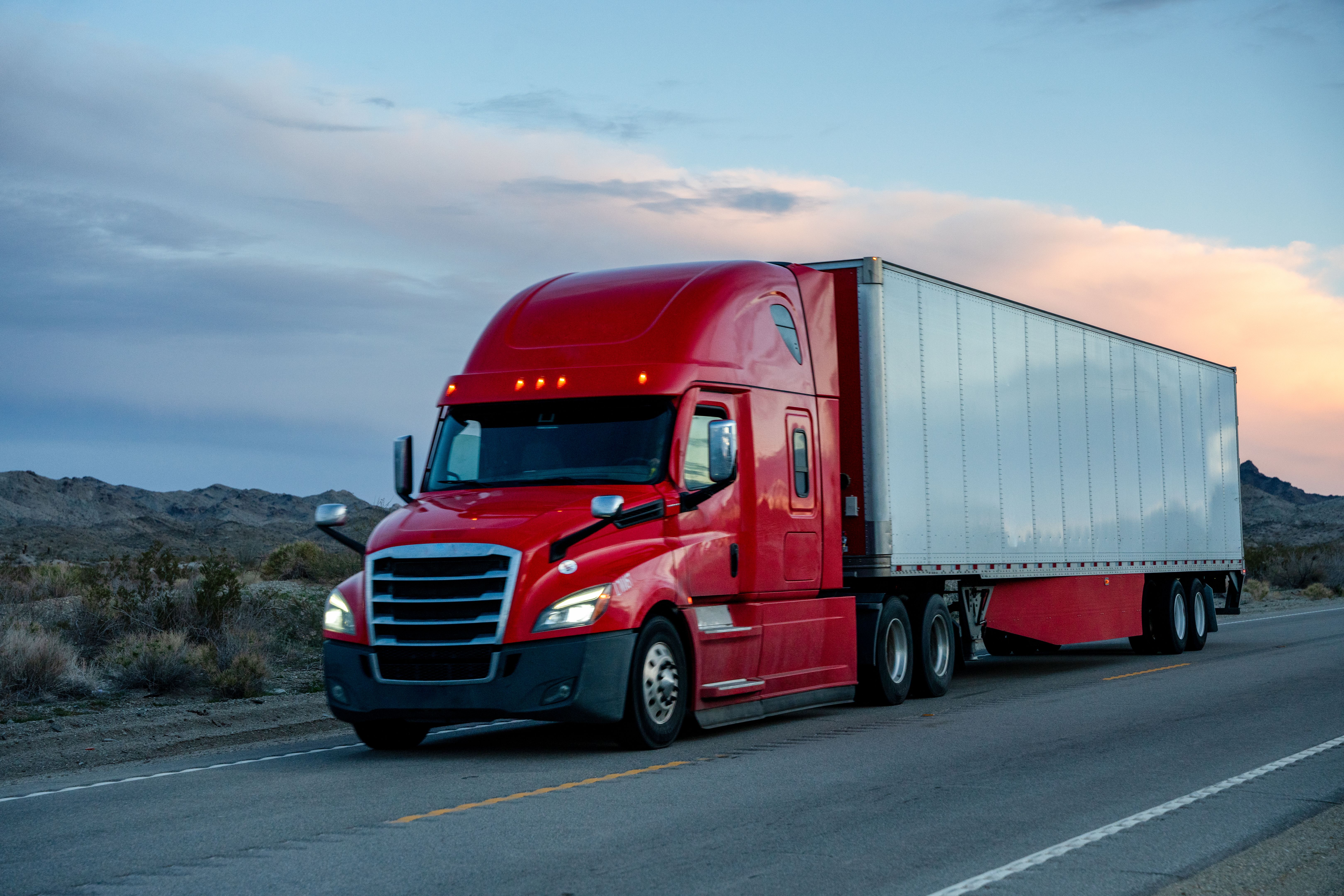
As the industry adapts to these changes, stakeholders must remain agile and open to adopting new technologies. The future of trucking logistics looks promising, with opportunities for growth and enhanced service delivery.
In conclusion, understanding the workings of trucking logistics provides valuable insights into one of the most critical components of global supply chains. By navigating its challenges and leveraging technological advancements, the trucking industry continues to drive economic growth and connectivity worldwide.